
“Live a Sent Life” is finding a powerful way to help the Gospel reach people through everyday obedience. Rooted in Scripture and carried out through “Business as Mission,” the ministry’s work demonstrates that Christian mission is not confined to church buildings or ordained roles—it can happen anywhere a believer is willing to go, serve, and witness. At the heart of this approach are two biblical anchors: Jesus’ command to be sent and the empowering spread of the Gospel to the ends of the earth.
In John 20:21, Jesus tells the disciples, “Peace be with you. As the Father has sent Me, I also send you.” This verse does more than explain Jesus’ mission; it establishes the pattern for every follower. The Gospel is not meant to be stored, debated, or merely celebrated—it is meant to be carried. “Live a Sent Life” takes this sending seriously by treating mission as a calling shaped by real life and real relationships. Instead of viewing ministry as something separate from daily work, it reframes vocation as a platform for witness. In other words, being “sent” becomes a lifestyle: living with the same purpose God gave to Christ—bringing redemption to those who need it.
Acts 1:8 continues that mission framework by promising empowerment and expansion: “You will receive power when the Holy Spirit has come upon you; and you will be My witnesses… to the ends of the earth.” The book of Acts shows that the message spreads through people who are transformed and then sent into specific communities. “Live a Sent Life” participates in this same Spirit-driven momentum by training and supporting “Sent” missionaries who serve in a bi-vocational role. Their approach reflects the New Testament reality that God’s mission advances through ordinary believers who embrace both dependence on the Holy Spirit and practical engagement with the world. A distinctive part of this ministry’s Gospel impact is the way it uses basketball as a bridge for mission. “Sent” missionaries do not simply arrive and begin preaching; they enter communities where young people are already gathering, learning, and building friendships.
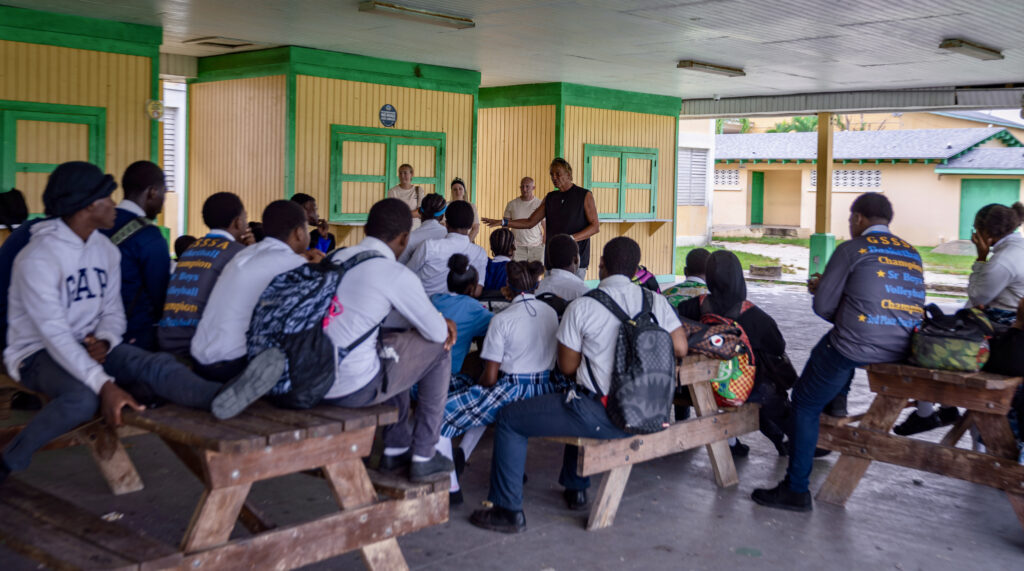

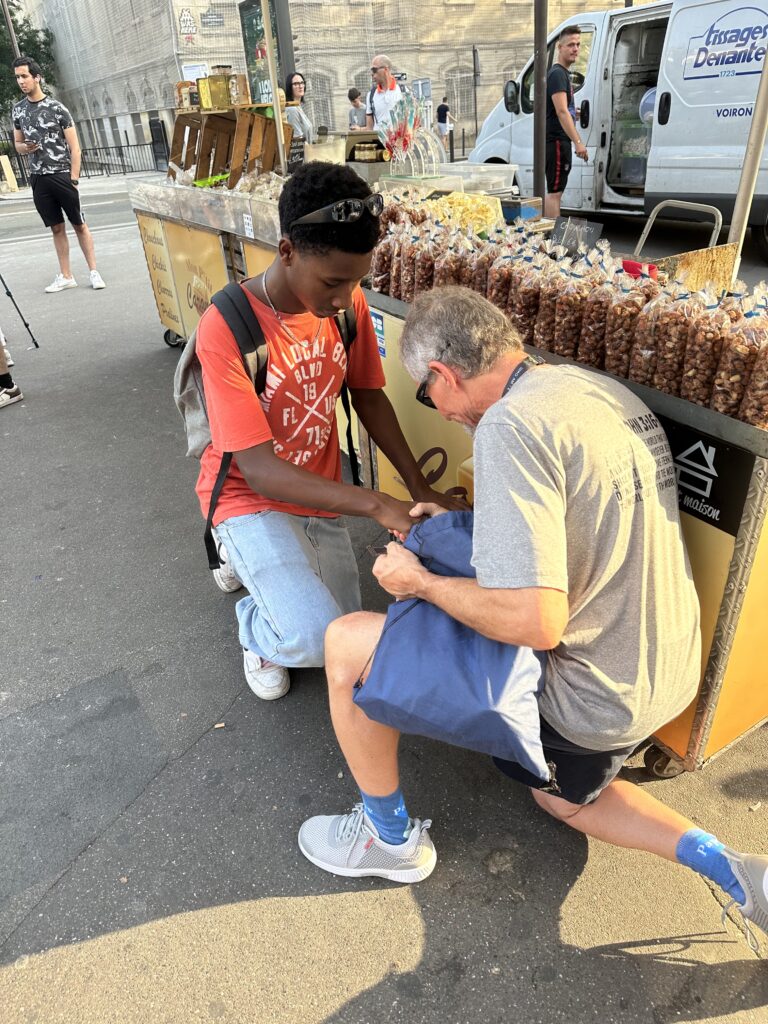
By coaching basketball and providing training, missionaries meet teenagers and children at the point of need where discipline, encouragement, and hope can take root. The sport becomes a doorway to genuine discipleship: mentoring athletes in teamwork, integrity, self-control, and perseverance.
The missionaries live as witnesses beyond the gym, sharing the Gospel with those who have not heard. A bi-vocational missionary is able to work effectively in his profession during work hours because his daily job is not a distraction from mission—it becomes part of how God places him in the lives of others. With integrity, competence, and Christlike character, he earns credibility and builds trust in the same routines where people feel seen and respected. Then, outside of work, he turns ordinary “in-between” moments into Gospel opportunities, sharing hope in places like coffee shops, on trains, and in the streets. By intentionally listening to people, meeting them where they are, and speaking about Jesus with kindness and joy, he creates natural conversations that may never happen inside a church setting. In this way, his life reflects the rhythm of Acts—living, serving, and witnessing wherever God leads—so that people don’t just hear the Gospel, they experience the joy of Jesus through a servant who is consistently present. The point is not “religious activities on the side,” but a full alignment of life and mission—work serves the mission, and the mission gives purpose to the work. Just as Paul could preach Christ in marketplaces and homes, these missionaries create avenues to share Jesus because they have earned trust through presence and service.
This is “Business as Mission” in the most meaningful sense: work done in competence becomes a channel for Gospel communication. When a basketball coach dedicates time, invests in individuals, and demonstrates Christlike character, it communicates something that words alone cannot. In many places around the world, young people may have heard empty promises but not the steady hope of the Gospel. Through repeated training sessions, relationships built over time, and intentional conversations outside of training, missionaries become living reminders that God sees and values them.
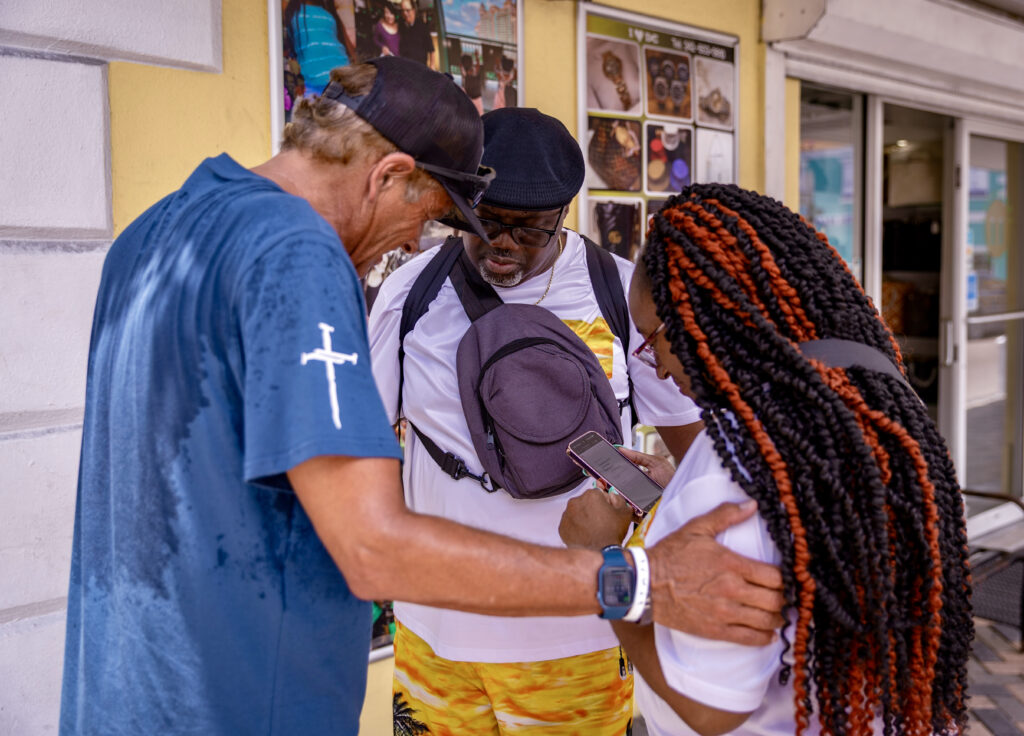
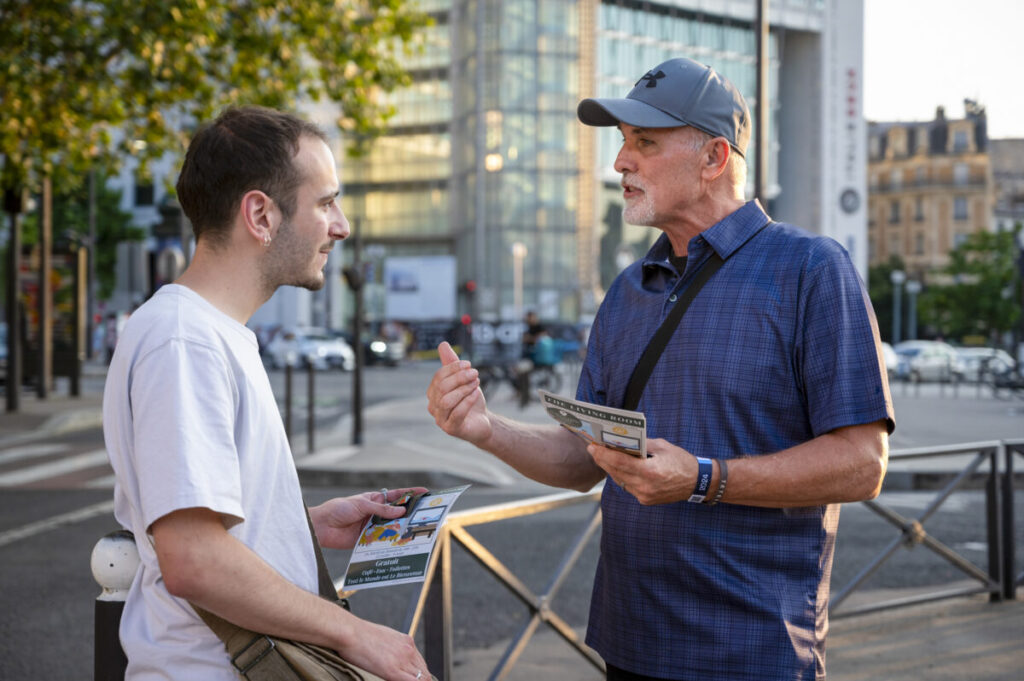
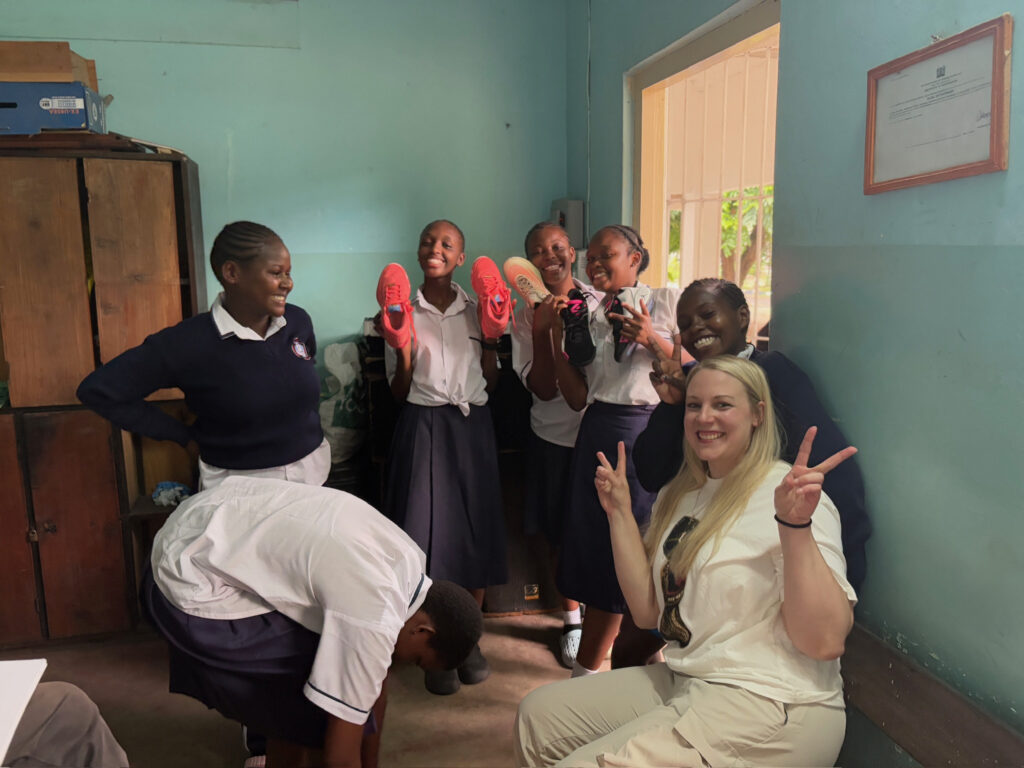
The bi-vocational model also matters because it expresses humility and practicality. Many communities may not have access to full-time ministry support, but they do have a steady need for mentors and trainers. By serving as coaches, missionaries can remain present, sustainable, and effective. This reduces barriers and increases impact: relationships grow, trust deepens, and the Gospel conversation becomes more natural. Over time, basketball training can shift from entertainment to opportunity—where young athletes begin to see faith not as something strange, but as something lived.
Ultimately, the Gospel impact of “Live a Sent Life” is measured not only by outreach, but by obedience to Jesus’ sending and faithfulness to the Spirit’s power. John 20:21 calls believers to represent the One who sends them; Acts 1:8 promises that witness will spread outward through empowered lives. Through “Sent” missionaries who coach young people and then boldly share the Gospel with those who have not heard, this ministry embodies a mission that is both strategic and personal. It proves that the world is not reached only by those who change locations or titles—sometimes it is reached by those who stay engaged, serve diligently, and live a sent life wherever God places them.